

Anxiety Therapy in Singapore
At The Psychology Practice, we provide structured and evidence-based anxiety therapy in Singapore for individuals experiencing persistent worry, panic, or heightened stress. Our work focuses on understanding the underlying emotional and cognitive patterns that maintain anxiety, while equipping clients with practical regulation skills.
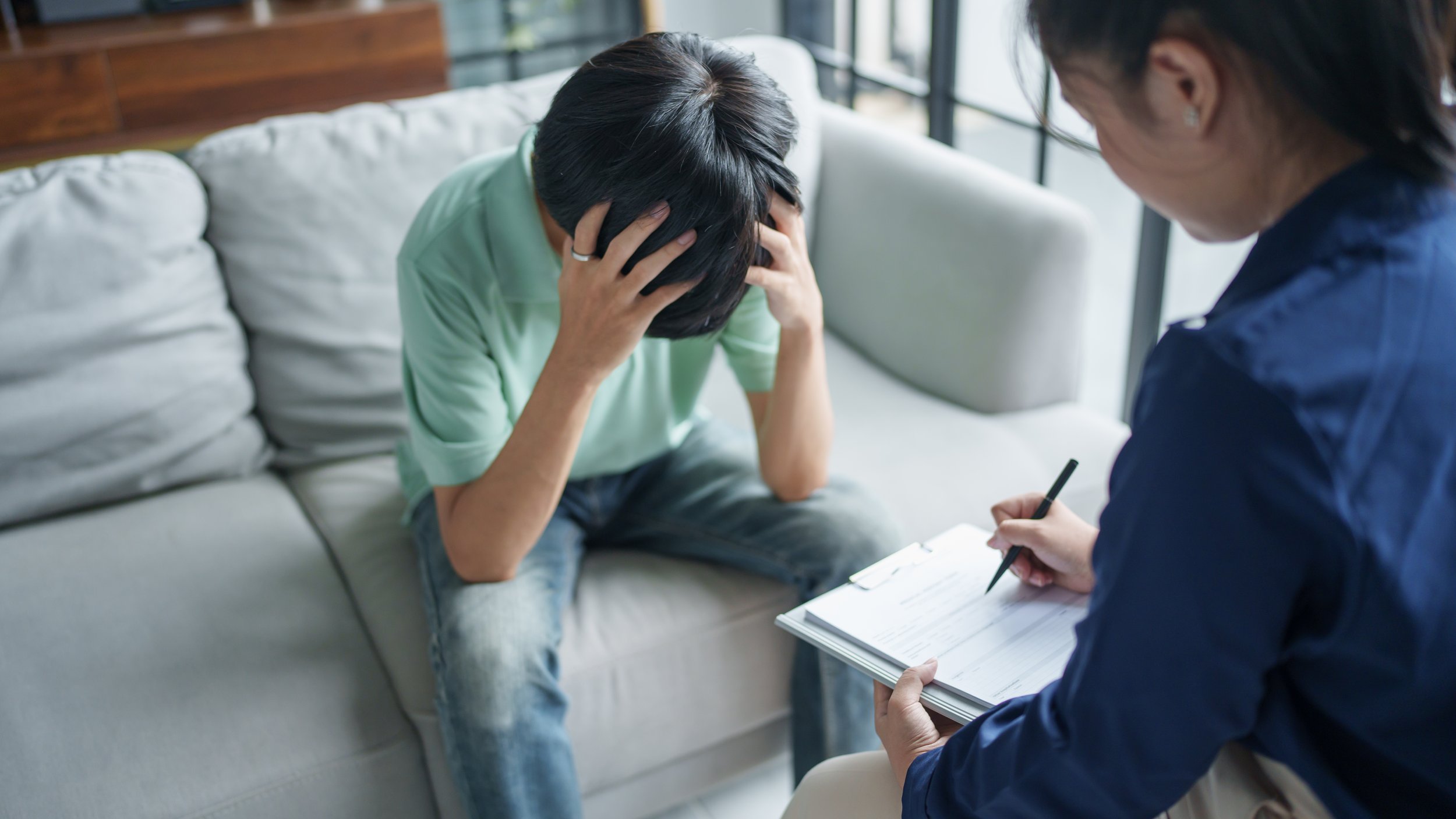
What Is Anxiety?
According to the National Institutes of Health, anxiety disorders, including generalised anxiety disorder, panic disorder with or without agoraphobia, and social anxiety disorder, are among the most common psychiatric conditions. They are also associated with a significant burden of distress and functional impairment. In Singapore, the National Council of Social Service (NCSS) Quality of Life Study found that about 26% of Singaporean adults experience mild depressive or anxiety symptoms.
Individuals experiencing anxiety may find themselves feeling constantly on edge, overthinking situations, or avoiding activities that once felt manageable. Anxiety may influence one’s interpretation of situations which can increase anticipation of negative outcomes and heightened sense of threat.
Types Of Anxiety
Anxiety can take different forms, each with distinct patterns and triggers. Identifying the type of anxiety involved helps guide appropriate and targeted treatment.
Generalised Anxiety Disorder (GAD)
GAD involves persistent and excessive worry about everyday matters such as work, health, or family. The anxiety is often difficult to control and may be accompanied by restlessness, muscle tension, fatigue, or sleep disturbance.
Social Anxiety Disorder (Social Phobia)
Social anxiety is characterised by intense fear of being judged, embarrassed, or negatively evaluated in social or performance situations. Individuals may avoid social interactions or endure them with significant distress.
Panic Disorder
Panic disorder involves recurrent, unexpected panic attacks marked by sudden surges of intense fear. Symptoms may include a racing heart, chest tightness, dizziness, and a fear of losing control or dying.
Agoraphobia
Agoraphobia is the fear of being in situations where escape may feel difficult or help may not be readily available. This can lead to avoidance of crowded places, public transport, or leaving home alone.
Common Signs of Anxiety
Anxiety can affect the mind, body, and behaviour in interconnected ways. While occasional worry is normal, persistent or excessive anxiety may interfere with daily functioning and relationships.

Mental and Emotional Symptoms
Individuals may experience constant worry, racing thoughts, difficulty concentrating, or a sense of impending danger. Irritability, restlessness, and heightened sensitivity to uncertainty are also common emotional signs.

Physical Symptoms
Anxiety often presents physically. Symptoms may include a racing heart, shortness of breath, chest tightness, dizziness, muscle tension, sweating, or gastrointestinal discomfort. Sleep disturbances and chronic fatigue can also occur.

Behavioural Symptoms
To cope with distress, some individuals avoid certain situations, places, or conversations. Others may seek repeated reassurance, overprepare excessively, or struggle to relax even during downtime. Over time, these patterns can reinforce the cycle of anxiety.
Understanding Anxiety Triggers
Anxiety often develops through an interaction of stress, personal history, and biological vulnerability. While triggers vary across individuals, recognising common patterns can help reduce confusion and support earlier intervention.
Life Stressors
Major life changes such as career pressure, financial strain, relationship conflict, or caregiving responsibilities can heighten anxiety levels. Even positive transitions may increase stress when demands feel overwhelming.
Past Trauma
Unresolved traumatic experiences can sensitise the nervous system, making individuals more reactive to perceived threats. Situations that resemble earlier distressing events may trigger heightened fear or avoidance.
Health and Physical Factors
Sleep deprivation, chronic illness, hormonal fluctuations, or excessive caffeine intake can intensify anxiety symptoms. Physical discomfort may amplify worry, creating a reinforcing cycle between body and mind.
Social and Environmental Factors
High-pressure environments, social expectations, or unstable living conditions may contribute to persistent stress. Workplace demands or ongoing interpersonal conflict can also sustain anxious patterns.
Personality and Mental Health
Individuals with perfectionistic tendencies, high self-criticism, or a history of mood disorders may be more vulnerable to anxiety. Pre-existing mental health conditions can interact with stressors, increasing symptom intensity.
How Anxiety Can Affect Daily Life (Anxiety-Avoidance Cycle)
When anxiety is ongoing, it can affect work performance, relationships, decision-making, and overall quality of life. Some individuals find themselves caught in a cycle where avoiding anxiety-provoking situations provides short-term relief but increases anxiety over time. This is commonly known as anxiety-avoidance cycle. By avoiding anxiety-inducing triggers, the brain never learns that the situation is safe and in the long term, individuals may become even more unwilling to confront anxiety. Fear may grow, leading to restrictive behaviours and false beliefs that emotion is dangerous and should be avoided. Anxiety may increase and be generalised to other situations. In addition to avoidance, some individuals may engage in “safety behaviours” or subtle avoidance to help cope with anxiety. These may include relying on medication, the security of your mobile phone, always having an exit plan for potentially-anxious situations, or making sure there is a companion. These safety behaviours also play a part in the vicious cycle of anxiety. Dependence on these measures provide temporary relief but the brain may not learn that emotions are not dangerous. As such, some individuals may seek short-term relief while strengthening long-term anxiety.
How Therapy Can Help Therapy provides a structured and supportive space to understand anxiety patterns, develop coping strategies, and build confidence in managing distress. Psychological therapy may help individuals relate differently to anxious thoughts, regulate physiological responses, and gradually re-engage with avoided situations. This may help individuals learn how anxiety patterns develop, what maintains them and how to respond to anxiety in more helpful ways.
How Anxiety Therapy Can Help
Anxiety therapy focuses on both immediate symptom relief and long-term emotional resilience. Through structured therapy for anxiety, clients learn to understand their triggers, regulate physical symptoms, and shift unhelpful thinking patterns in a sustainable way.

Evidence-Based Techniques
Treatment draws from research-supported models such as cognitive and emotion-focused approaches. These techniques help reduce excessive worry, challenge catastrophic thinking, and interrupt avoidance cycles.

Skill Acquisition
Clients develop practical tools including grounding strategies, cognitive reframing, and gradual exposure techniques. These skills support better coping during high-stress moments and reduce reliance on short-term avoidance.

Understanding Causes
Therapy explores underlying drivers of anxiety, including attachment patterns, past experiences, and perfectionistic tendencies. Insight into these patterns helps prevent symptoms from repeatedly resurfacing.

Safe Environment
Sessions are conducted in a confidential and structured setting. This stable therapeutic relationship provides a secure space to explore fears without judgement.

Physiological Regulation
Anxiety is closely linked to nervous system activation. Therapy incorporates techniques that support breathing regulation, body awareness, and stress recovery, helping restore a sense of calm.

Alternative Approaches
Where appropriate, therapy may integrate complementary methods tailored to individual needs. These are selected thoughtfully to support the overall treatment plan.
Our Approach to Anxiety Therapy
Our anxiety therapy is rooted in research-informed approaches and thoughtful clinical assessment. In structured therapy for anxiety, interventions are carefully adapted to each person’s specific symptoms, triggers, and emotional dynamics.

Cognitive Behavioural Therapy (CBT)
CBT helps identify and challenge unhelpful thought patterns that fuel excessive worry. Clients learn practical techniques to reframe catastrophic thinking and develop healthier responses to stress.

Exposure Therapy
Avoidance often maintains anxiety. Exposure-based work is introduced gradually and safely, helping individuals face feared situations in manageable steps while building tolerance and confidence.

Acceptance and Commitment Therapy (ACT)
ACT supports clients in developing psychological flexibility. Rather than fighting anxious thoughts, individuals learn to relate to them differently while staying aligned with personal values.

Mindfulness-Based Therapies (MBSR and MBCT)
Mindfulness-based approaches cultivate present-moment awareness and emotional regulation. These methods help reduce rumination and increase the ability to respond calmly to stress.

Psychodynamic Therapy
For some individuals, anxiety is linked to deeper relational or developmental patterns. Psychodynamic therapy explores underlying emotional conflicts and attachment themes that may contribute to persistent anxiety symptoms.
What to Expect in Anxiety Therapy Sessions
Starting therapy can feel overwhelming, especially when anxiety is already high. In our psychology therapy in Singapore, sessions are thoughtfully structured to create stability and direction, while gradually exploring the underlying factors that maintain anxiety.

The Initial Assessment (First 1–3 Sessions)
The early sessions focus on understanding your anxiety patterns, triggers, history, and current stressors. Your therapist will assess symptom severity, coping strategies, and relevant life experiences to develop a clear treatment plan tailored to you.

The Therapeutic Process and Techniques
Sessions combine insight-oriented exploration with practical tools. You may work on identifying thought patterns, understanding avoidance cycles, and practising regulation strategies. Techniques are introduced progressively to avoid overwhelm.

Between-Session Work (Homework)
Therapy often extends beyond the session room. Gentle practice exercises, reflection tasks, or behavioural experiments may be suggested to reinforce learning and build confidence in real-life situations.

What to Expect from the Therapeutic Relationship
The therapeutic relationship is professional, collaborative, and confidential. Your therapist provides structure and guidance while respecting your autonomy.

Common Feelings After Sessions
It is normal to feel reflective, tired, or emotionally stirred after a session. As therapy progresses, many clients report increased awareness, improved regulation, and greater confidence in managing anxious thoughts.
Who Anxiety Therapy Is Suitable For
Anxiety therapy is appropriate for individuals whose worry, fear, or stress has begun to interfere with daily life, work, or relationships. Structured therapy for anxiety supports both symptom relief and deeper emotional understanding.
Individuals with Diagnosed Conditions
Those diagnosed with generalised anxiety disorder, panic disorder, social anxiety, or related conditions who require evidence-based and clinically guided treatment.
People Experiencing High Stress
Individuals facing ongoing work pressure, caregiving demands, or major life transitions that have led to persistent worry or emotional exhaustion.
Those with Physical Symptoms
Clients experiencing symptoms such as a racing heart, breathlessness, dizziness, muscle tension, or sleep disruption linked to anxiety.
Individuals Practising Avoidance
People who avoid certain places, conversations, or responsibilities due to fear or anticipated distress, resulting in shrinking confidence or lifestyle limitations.
Those Seeking Lasting Change
Individuals who wish to move beyond short-term coping strategies and develop long-term resilience, emotional regulation, and self-understanding through therapy for anxiety.
Meet Our Team for Anxiety Therapy in Singapore
Our clinicians support individuals seeking therapy for anxiety in Singapore across a range of concerns, including persistent worry, panic, stress, and related emotional difficulties. The most suitable therapist depends on your symptoms, personal history, and the type of support you are looking for.

Dr. Shawn Ee (he/him)
MAPS. MSPS.
- Clinical Psychologist & Psychoanalytic Psychotherapist
- Registered Psychologist (Australia) & Clinical Supervisor
- Registered COS-Parenting & Classroom Facilitator
- Director

Ms. Andrea Chong (she/her)
- Psychodynamic Psychotherapist
- Clinical Supervisor

Ms. Brenda Lee (she/her) MSPS.
- Registered Psychologist & Clinical Supervisor (Singapore)
- Clinical Psychologist

Dr. Celeste Teo (she/her) MSPS.
- Registered Psychologist (UK) & Chartered Psychologist
- Clinical Psychologist & Systemic Practitioner (Family Therapy)

Ms. Cheak Ching Cheng (she/her) MSPS.
- Registered Psychologist & Clinical Supervisor (Singapore)
- Clinical Psychologist

Ms. June Tang (she/her) MSPS.
- Registered Psychologist & Clinical Supervisor (Singapore)
- Counselling Psychologist & Family Psychotherapist

Ms. Rae Yi Yap (she/her)
- Art Therapist
- AThR, MA Art Therapy (Dist.)

Ms. Sara-Ann Lee (she/her) MSPS.
- Clinical Psychologist

Ms. Vivian Ong (she/her) MSPS.
- Registered Psychologist (Singapore)
- Educational Psychologist

Dr. Stacie Tay (she/her)
- Clinical Psychologist
- Registered Psychologist (UK)

Ms. Jacinta Tan (she/her)
- Clinical Psychologist
- Registered Psychologist (Australia)
- Registered COS-Parenting Facilitator
Frequently Asked Question About Anxiety Therapy
-
Anxiety therapy is a structured process that helps individuals understand worry patterns, reduce avoidance behaviours, and regulate physical symptoms. As part of our broader psychological services, treatment is guided by clinical formulation rather than a one-size-fits-all model.
-
If worry, panic, or stress begin affecting sleep, work performance, or relationships, professional input may be helpful. In some cases, a psychological assessment can clarify symptom severity and guide the most appropriate treatment approach.
-
Yes. Anxiety and low mood frequently overlap. Drawing on approaches commonly used in a depression therapy to support more comprehensive recovery.
-
When anxiety is connected to unresolved traumatic experiences, treatment may draw from approaches used in trauma therapy. This allows past experiences to be addressed carefully while stabilising present symptoms.
-
Yes. For organisations seeking structured mental health support, anxiety-focused interventions may be integrated within our workplace wellness EAP, offering confidential assistance to employees managing stress and burnout.
-
No. Exposure-based work, if appropriate, is introduced gradually and collaboratively. The pace is carefully managed to prevent overwhelm and ensure emotional safety.